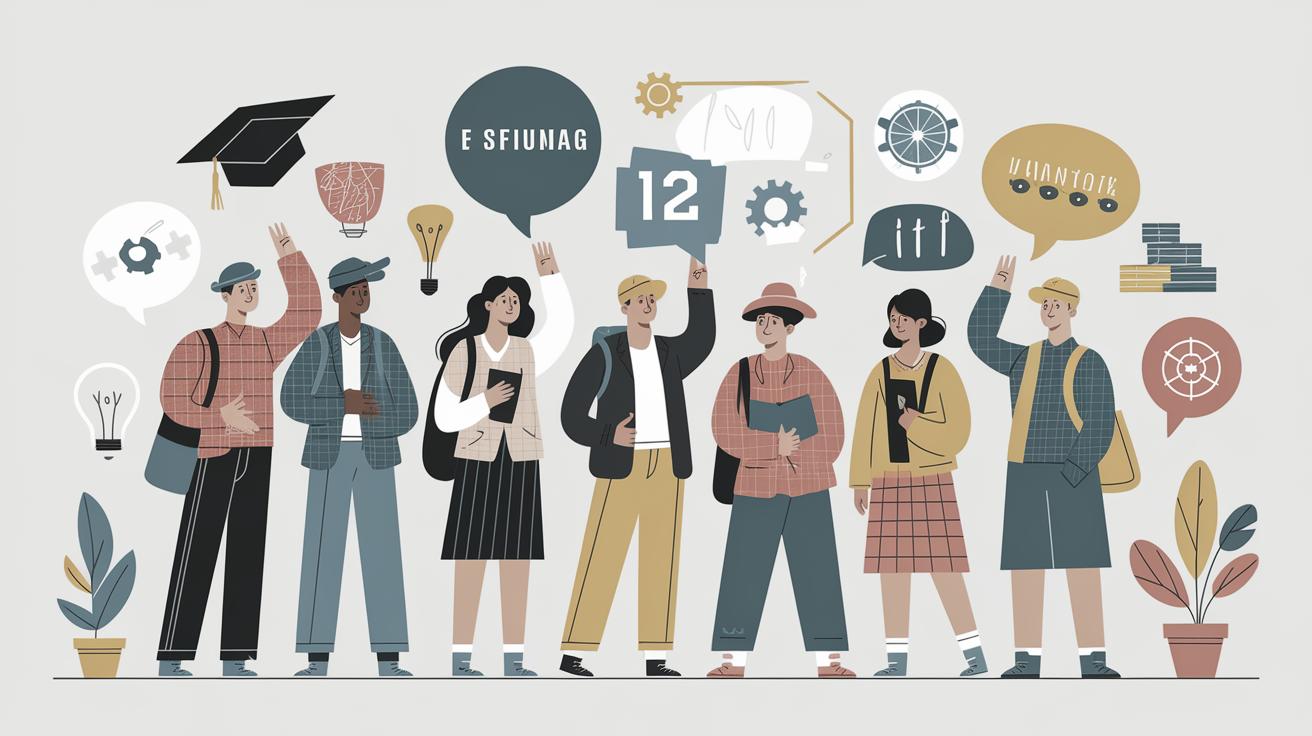
The Importance of Cultural Diversity in Universities
As the world becomes more interconnected, the significance of cultural diversity in educational institutions has
become increasingly apparent. Universities serve as vibrant hubs for cultural exchange, fostering a learning
environment that encourages students to embrace diverse perspectives. This blog post will explore the importance
of cultural diversity in universities, highlighting how it enriches educational experiences, promotes
multicultural education, and prepares students for a globalized workforce. We’ll delve into the types of
cultural diversity found in classrooms, discuss ways to promote diversity, and examine the transformative impact
of embracing multiculturalism within the educational landscape.
Drexel University School of Education
Drexel University School of Education has been at the forefront of championing cultural diversity as a
fundamental component of academic excellence. Recognizing that diversity goes beyond mere representation, Drexel
strives to create an inclusive atmosphere where students from different backgrounds feel valued and empowered.
Their approach seeks to nurture a holistic understanding of diversity, acknowledging its role in fostering a
more equitable and vibrant academic community.
In fostering an inclusive educational environment, Drexel integrates diversity-centric programs into its
curriculum and extracurricular activities, encouraging dialogue and understanding among students of varying
cultural backgrounds. By championing inclusivity, Drexel not only nurtures individual student growth but also
contributes to the overall richness of the university experience.
Why is it Important to Encourage Diversity in Schools and Workplaces?
Diversity in schools and workplaces is crucial not just for representation but for creating environments that
drive innovation, empathy, and comprehensive understanding. In schools, diversity cultivates an environment
where students can widen their perspectives, understanding the complexities of different cultures and the shared
humanity that binds us.
Encouraging diversity in workplaces mirrors these benefits, promoting creativity and broadening the scope of
problem-solving capabilities. Diverse teams bring varied insights, leading to more comprehensive solutions and
fostering an inclusive environment that enhances job satisfaction and employee retention.
Types of Cultural Diversity in the Classroom
Race
Race is one of the most visually identifiable types of diversity, and its recognition in the classroom is
essential for fostering an inclusive and respectful learning environment. Embracing racial diversity involves
acknowledging unique experiences and addressing issues related to race, encouraging students to develop racial
literacy that will serve them throughout their lives.
Ethnicity
Ethnic diversity encompasses the unique cultural traditions, customs, and perspectives that vary among ethnic
groups. Recognizing and respecting these differences in the classroom setting enriches the learning experience,
allowing students to engage authentically with peers from varied backgrounds.
Religion
Religious diversity introduces students to a range of beliefs and practices, encouraging respect and
understanding. By discussing and acknowledging different religious perspectives, classrooms become environments
where diverse faiths are understood and appreciated rather than marginalized.
Language
Language diversity reflects the vast array of mother tongues and dialects spoken by students. Encouraging
multilingual education and sensitivity to language differences can enhance cognitive abilities and cultural
competence, empowering students to communicate cross-culturally.
Socioeconomic Status
Diversity in socioeconomic status brings varied life experiences and perspectives into the classroom. Schools
play a crucial role in providing equitable opportunities for students from different economic backgrounds,
ensuring that everyone can participate fully in the learning process.
Sexual Orientation
Sexual orientation diversity acknowledges the spectrum of identities that exist beyond heterosexual norms. By
creating inclusive environments that respect and validate these identities, educators promote a sense of
belonging and acceptance for all students.
Gender Identity
Gender identity diversity goes beyond the binary understanding of gender, recognizing and respecting individuals
who identify outside of traditional gender norms. Promoting awareness and sensitivity around gender identity
fosters inclusivity and empowers students to express themselves authentically.
How can you Promote Diversity and Multiculturalism in the Classroom?
Get to Know Your Students
Building meaningful relationships with students is foundational to promoting diversity and multiculturalism in
the classroom. By understanding their backgrounds, interests, and cultural contexts, educators can tailor their
teaching strategies to meet diverse needs and foster inclusivity.
Maintain Consistent Communication
Open and consistent communication with students and their families is crucial for understanding cultural
backgrounds and developing trust. By creating channels for dialogue, educators can better support students’
unique needs and create a welcoming and inclusive environment.
Acknowledge and Respect Every Student
It is crucial for educators to acknowledge and respect each student’s cultural heritage, creating an atmosphere
where diversity is celebrated. Simple gestures, like respecting cultural holidays and incorporating students’
cultures into the curriculum, can foster a sense of belonging for all pupils.
Practice Cultural Sensitivity
Being culturally sensitive involves recognizing and respecting students’ cultural norms and values. Educators
should engage in continuous learning to understand cultural dynamics, advocating for practices that celebrate
rather than homogenize diversity.
Incorporate Diversity in the Lesson Plan
Integrating diverse perspectives into the curriculum encourages students to learn from different cultures and
viewpoints. Using diverse materials and resources reflects the spectrum of world experiences, promoting
inclusivity and equity in education.
Give Students Freedom and Flexibility
Providing students with the autonomy to explore and express their cultural backgrounds encourages engagement and
personal growth. This flexibility in learning approaches allows students to connect more deeply with educational
content.
Why is Multicultural Education Important to Students?
Students Become More Empathetic
Multicultural education fosters empathy by exposing students to diverse perspectives and experiences, encouraging
them to relate to others’ feelings and worldviews. This empathic understanding is crucial for developing
meaningful relationships and promoting harmonious social interactions.
Students Gain a Better Understanding of Lessons and People
Exposure to diverse cultures enhances students’ comprehension of academic subjects by providing varied contexts
and viewpoints. This layered understanding extends beyond academics, improving social awareness and cultural
competence.
Students Become More Open-Minded
Multicultural education challenges students to consider different perspectives and ideas, broadening their
understanding of the world. This openness enriches the learning experience, promoting a culture of inclusivity
and intellectual curiosity.
Students Feel More Confident and Safe
A multicultural environment where diversity is embraced allows students to feel more secure and respected,
fostering a sense of confidence and belonging. This supportive climate encourages students to participate fully
and express themselves without fear of being marginalized.
Students Are Better Prepared for a Diverse Workplace
Exposure to multicultural education equips students with the skills needed to thrive in diverse workplaces,
where collaboration with individuals from different backgrounds is common. This preparation is invaluable for
navigating the complexities of a globalized job market.
Learn More About Cultural Diversity in Education
The journey to embracing cultural diversity in education is ongoing and evolving. Educational institutions and
educators must continuously adapt to the changing demographics and global challenges to provide inclusive
learning environments. Engaging with resources, attending workshops, and participating in dialogues on cultural
awareness can enrich educators’ understanding and practices.
Teaching and learning are enhanced through a commitment to diversity, and recognizing cultural differences is
crucial for educating future leaders to thrive in a global society. By prioritizing cultural diversity, schools
empower students to become well-rounded thinkers and compassionate citizens.
Lessons Learned
| Topic | Key Points |
|---|---|
| Drexel University School of Education |
Championing cultural diversity, fostering inclusive academic environments through programs and engagement. |
| Diversity Importance |
Encourages innovation, empathy; crucial for schools/workplaces to widen perspectives and solve problems. |
| Types of Diversity |
Includes race, ethnicity, religion, language, socioeconomic status, sexual orientation, gender identity. |
| Promoting Diversity | Understanding students, communication, respect, sensitivity, inclusive lesson plans, flexibility. |
| Multicultural Education Benefits |
Enhances empathy, understanding; fosters open-mindedness, safety, confidence; prepares for diverse workplaces. |
| Cultural Diversity in Education | An evolving journey; involves continuous adaptation and commitment to foster inclusive learning. |