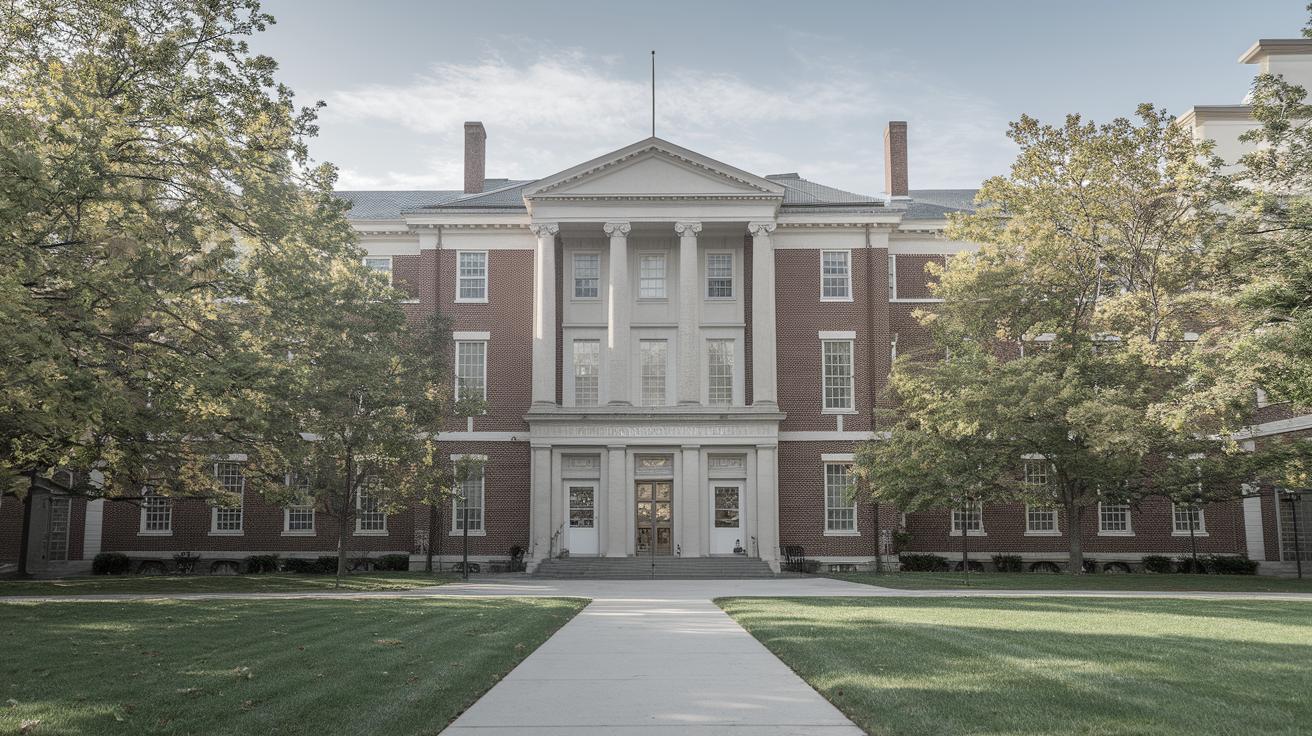
The Importance of Liberal Arts Education
Liberal arts education often gets a lukewarm reception amid the modern push towards STEM courses and specialized vocational training. However, its unique strengths in nurturing versatile, well-rounded individuals remain unchallenged. This blog post delves into who benefits the most from a liberal arts education, the skills it imparts to its students, and its standing as a preparatory ground for careers. In understanding these facets, we shed light on the continued relevance and unparalleled opportunities afforded by a liberal arts education. Whether you’re a student considering academic paths, an educator, or simply interested in the educational landscape, this post aims to offer valuable insights into why the liberal arts are, indeed, a cornerstone of holistic education.
Who Benefits From Liberal Arts Education?
The reach of liberal arts education extends far beyond the boundaries of age, profession, or background, providing significant advantages to a diverse group of learners. Particularly, students who value breadth over specialization find liberal arts education appealing due to its holistic approach. This form of education allows for exploration across various disciplines, such as humanities, social sciences, and natural sciences, fostering an appreciation for interconnected knowledge.
Moreover, lifelong learners or those contemplating a career change also benefit significantly. The adaptability gained through a liberal arts background equips individuals to navigate and excel in new fields. This flexibility often results in improved problem-solving skills and the ability to view issues from multiple perspectives—an increasingly valuable trait in today’s complex, fast-changing world.
What Skills Do Liberal Arts Build?
At the heart of liberal arts education lies a commitment to developing critical thinking and analytical skills. By engaging with diverse subjects, students learn to evaluate information thoroughly and synthesize insights across different areas. This multidisciplinary approach ensures that students can connect ideas and formulate innovative solutions—skills that are highly prized in any career or life scenario.
Communication is another cornerstone skill honed through liberal arts education. Students become adept at expressing their thoughts in coherent, compelling ways, whether through writing, discussion, or presentation. This cultivation of eloquent expression not only enhances personal and professional interactions but also empowers students to be persuasive advocates in societal and civic issues.
Do Liberal Arts Prepare Students For Careers?
There is a long-standing debate regarding the applicability of liberal arts education in career preparation, especially compared to more specialized educational paths. However, increasingly complex global challenges require employees who are not only technically proficient but also capable of strategic thinking and adaptability. In this sense, liberal arts graduates have an edge as they are trained to be big-picture thinkers and problem solvers.
In addition to traditional roles in education, publishing, and the arts, liberal arts graduates find themselves thriving in burgeoning industries such as technology, entrepreneurship, and public policy. The higher prominence of organizations recognizing the value of diverse thought processes and the ability to adapt swiftly means that companies often seek out liberal arts graduates for leadership roles that require broad-based knowledge and strategic vision.
Acknowledgements
This blog post was informed by numerous educators, career counselors, and liberal arts graduates who shared their insights on the impact of a liberal arts education. Their contributions underline the continued importance and adaptability of such educational paths in modern society. Furthermore, academic institutions championing liberal arts disciplines have greatly assisted in articulating the importance of their programs through research and real-world outcomes.
A heartfelt thank you goes out to these stakeholders for their unwavering belief in the liberal arts as a tool for change and personal growth. Their input and experience continue to shape the futures of students worldwide, ensuring that the liberal arts remain a vital component of education systems everywhere.
Open Learning Newsletter
For those interested in keeping abreast of the latest developments in liberal arts education, consider subscribing to the Open Learning Newsletter. This resource provides updates on trends, success stories, and innovative practices within liberal arts programs globally. By joining, you can access a network of educators and students committed to the pursuit of knowledge for its own sake and for its application to the ongoing betterment of society.
The Open Learning Newsletter also features articles by leading thinkers and educators, along with opportunities for professional development in liberal arts disciplines. Stay informed, stay connected, and be inspired by the vast potential inherent in a liberal arts education.
Summary of Main Points
| Key Points | Details |
|---|---|
| Who Benefits? | Diverse learners, including those valuing broad knowledge and adaptability, benefit from liberal arts. |
| Skills Built | Critical thinking, analytical abilities, and superior communication skills are core developments. |
| Career Preparation | Liberal arts equip students for diverse career paths, especially where strategic thinking is valued. |
| Acknowledgements | Insights from educators and professionals affirm the ongoing relevance of liberal arts. |