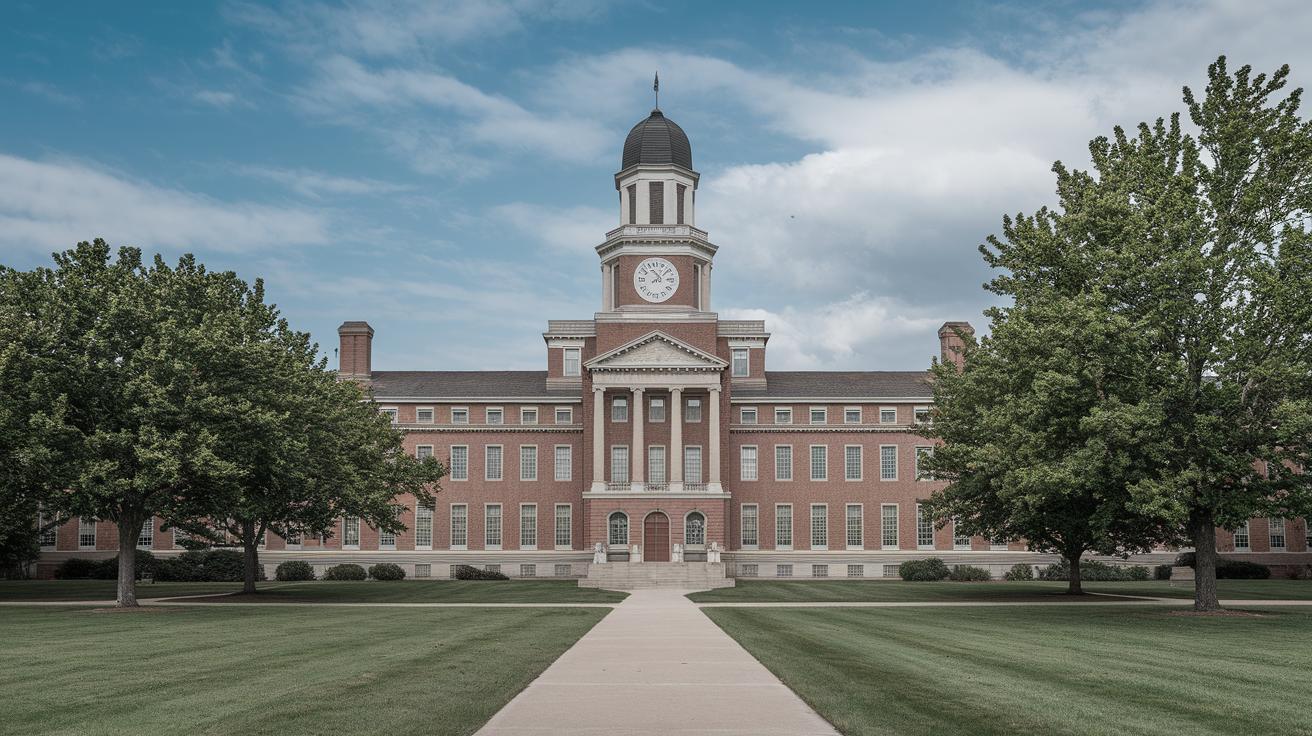
Choosing between college and university impacts your career trajectory, financial future, and personal development for decades to come.
Embarking on the journey of higher education is a monumental decision that can shape your professional and personal growth for years to come. The choice between a college and a university is not just about selecting an institution; it’s about choosing the environment, the network, and the opportunities that will define your future.
In this comprehensive guide, we will explore the fundamental differences between colleges and universities, and evaluate several critical factors that can influence your decision. From academic focus and campus life to location and financial considerations, this analysis delves deep into the aspects that should be on your checklist when determining the perfect fit for your educational aspirations.
Understanding College Education: Intimate Learning Environments
Colleges typically offer a more intimate setting for students seeking focused education and closer interactions with faculty members. Often, these institutions specialize in undergraduate programs and are renowned for fostering a tight-knit community atmosphere. Smaller class sizes and personalized attention from instructors are major advantages for students who thrive in more personalized learning environments.
Moreover, colleges often prioritize liberal arts education and interdisciplinary learning approaches. This versatility can prepare students for various career opportunities by enhancing their critical thinking, communication, and problem-solving skills. Although they may not offer an extensive range of courses or advanced degrees like larger universities, their strong emphasis on undergraduate education provides a solid foundation for lifelong learning and skill development.
According to recent 2024 data from the National Association of Student Personnel Administrators, students at smaller colleges report 23% higher satisfaction rates with faculty accessibility and mentorship opportunities compared to their university counterparts.
University Education: Comprehensive Academic Ecosystems
In contrast, universities are large institutions that offer a wide array of undergraduate, graduate, and sometimes doctoral programs. Often recognized for their research contributions and comprehensive academic offerings, universities provide students the opportunity to engage in cutting-edge research and explore diverse fields of study.
Universities also offer a broader range of academic resources, extracurricular activities, and professional networking opportunities compared to colleges. Students attending universities may benefit from a more diverse campus environment that allows them to interact with peers from various cultural and academic backgrounds, fostering a rich exchange of ideas and global perspectives.
Research universities typically invest over $2.8 billion annually in undergraduate research opportunities, according to the Association of American Universities 2024 report, providing students with hands-on experience in their chosen fields.
Strategic Decision-Making Framework
Once you have a clear understanding of what colleges and universities have to offer, the next step involves evaluating your personal preferences and objectives. Determine what kind of academic experience best aligns with your career goals and learning style. For some, the close-knit community of a college is ideal, while others may prefer the vibrant, diverse atmosphere of a larger university.
Consider your long-term professional aspirations and research how well the institutions you’re considering can support these goals. Investigate whether they offer strong programs in your field of interest, and engage with alumni networks or faculty members to gain firsthand insights into the prospective opportunities.
Key Questions to Ask Yourself
Before making your final decision, consider these essential questions: Do you prefer small class sizes or diverse course offerings? Are you interested in undergraduate research opportunities? Do you thrive in intimate settings or larger, more diverse environments?
1. Academic Programs and Learning Approaches
The academic structure is a fundamental difference between colleges and universities. Colleges often focus on providing in-depth undergraduate learning, particularly in the arts and sciences. These institutions are ideal for students interested in exploring a broad spectrum of subjects before specializing in their chosen field.
Universities, however, cater to a wide range of academic pursuits from bachelor’s degrees to doctoral programs. Their comprehensive curriculum allows students to delve deeply into a chosen discipline and engage in original research projects. Universities typically offer specialized programs, professional schools, and advanced research opportunities that colleges may not provide.
Recent studies show that university students have access to 40% more specialized courses and research opportunities compared to college students, while college students receive 60% more individualized attention from faculty members.
2. Geographic Location and Community Impact
The location of an institution can greatly influence your college or university experience and future career prospects. Colleges are often located in smaller towns and suburban areas, giving students a more close-knit community feel. This intimate setting can provide fewer distractions and enable students to focus on their academics without the hustle and bustle of a large city.
On the other hand, universities are frequently situated in urban environments, offering a dynamic cultural scene and abundant opportunities for internships and employment. The vibrancy of a city campus can enhance your academic experience through exposure to diverse populations and real-world scenarios that complement classroom learning.
Urban universities typically provide students with 35% more internship opportunities and access to major employers, while college towns offer lower living costs and stronger community integration.
3. Campus Infrastructure and Atmosphere
Colleges typically feature smaller, more traditional campuses that sometimes resemble closely-knit neighborhoods. Quaint buildings and historic traditions contribute to an environment that fosters a sense of belonging among students and faculty alike. The intimate scale allows for easier navigation and frequent encounters with familiar faces.
Universities boast sprawling campuses equipped with state-of-the-art facilities and modern architectural designs. These large institutions often provide cutting-edge recreational centers, extensive libraries, and research labs, accommodating a larger student population with diverse needs and interests.
4. Housing Options and Residential Life
Choosing between on-campus and off-campus living is a crucial consideration that affects your social experience and academic success. Colleges generally offer accommodations within or near the campus, encouraging a communal atmosphere with frequent interactions among students and integrated residential learning communities.
In contrast, universities may provide both on-campus dormitories and numerous off-campus housing options. This flexibility allows students to choose based on personal preference and budget, potentially leading to greater independence compared to the tightly-knit college housing experience.
Studies indicate that students in college residential programs show 18% higher retention rates and stronger academic performance during their first year.
5. Dining Services and Campus Food Culture
Nutritional options can significantly impact your college experience and overall well-being. Colleges often have centralized dining facilities offering a variety of meal plans and locally-sourced options. The community-based setting means dining becomes a social event, often fostering friendships over meals and creating lasting connections.
University campuses typically provide more diverse dining options, catering to various dietary requirements and international cuisines. This vast selection not only enhances your culinary experiences but also mirrors the diverse student population in universities, offering everything from food trucks to upscale dining facilities.
6. Financial Investment and Return on Investment
The financial aspect is crucial when deciding on higher education and long-term career prospects. Generally, colleges may offer lower tuition fees than universities thanks to their smaller scale and focus on undergraduate programs. Financial aid and scholarships at colleges can further lessen the burden on students, making it a feasible option for many families.
Universities, equipped with comprehensive academic offerings and research facilities, may come at a higher cost. However, they also provide scholarships, grants, and work-study programs to help students finance their education, especially for graduate and research-based programs.
According to 2024 College Board data, the average annual tuition at private colleges is $38,070, while private universities average $41,540. However, universities typically offer more substantial financial aid packages, with average awards of $28,200 compared to $23,800 at colleges.
Hidden Costs to Consider
Beyond tuition, consider additional expenses such as housing, meal plans, textbooks, and transportation. University students in urban areas may face higher living costs, while college students might have limited part-time job opportunities.
7. Extracurricular Activities and Student Life
Extracurricular activities are an essential part of student life, offering opportunities for leadership development, networking, and personal growth. Colleges may have fewer options, yet their highly involved communities participate enthusiastically in clubs, sports, and arts programs with higher participation rates per capita.
Universities boast a vast array of student organizations, clubs, and events catering to diverse interests and cultural backgrounds. The wide selection encourages students to explore hobbies, develop skills, and connect with others outside the classroom, enriching the overall college experience and building professional networks.
Research shows that students involved in extracurricular activities demonstrate 25% better job placement rates and higher starting salaries upon graduation.
8. Transportation and Campus Accessibility
Transportation can greatly influence your daily routine and overall student satisfaction. College towns, with their smaller scale, often allow for easy, walkable commutes or short bus rides within the campus and surrounding areas. This pedestrian-friendly environment promotes a healthier lifestyle and stronger community connections.
In university environments located in larger cities, students might need to rely on public transportation or personal vehicles. While urban campuses offer excitement and opportunities, the complexity of navigating a city landscape could be an adjustment for some students, particularly those from rural backgrounds.
9. Career Outcomes and Professional Success
Your choice between a college and university has lasting implications on career opportunities post-graduation. Colleges, with their personalized education and tight alumni networks, often provide strong connections in specific industries, paving the way for promising careers and mentorship opportunities.
Universities, through their extensive academic offerings and expansive networks, equip students with diverse skills applicable to numerous fields. With large career fairs, robust internship opportunities, and alumni connections spanning multiple industries, universities prepare students to thrive in competitive job markets.
According to recent employment data, university graduates earn an average starting salary 12% higher than college graduates, while college graduates report higher job satisfaction rates and stronger alumni loyalty.
Industry-Specific Considerations
Certain fields favor different educational backgrounds. Liberal arts colleges excel in preparing students for careers in education, social work, and creative industries, while research universities dominate in STEM fields, business, and professional programs.
Specialized Programs and Academic Pathways
When evaluating institutions, consider the availability of specialized programs that align with your career goals. Many colleges offer unique interdisciplinary programs and innovative approaches to traditional subjects. Universities typically provide professional schools, graduate programs, and research opportunities that can enhance your academic credentials.
Pre-professional programs such as pre-med, pre-law, and pre-engineering may be structured differently at colleges versus universities. Research the success rates of graduates from these programs and their acceptance rates into professional schools or graduate programs.
Technology Integration and Digital Learning
In 2025, technology integration has become crucial for educational success. Universities often lead in digital innovation, offering advanced online learning platforms, virtual reality labs, and cutting-edge research facilities. Colleges may provide more personalized technology support and smaller digital classrooms that enhance individual learning experiences.
Consider the institution’s investment in educational technology, digital library resources, and online learning capabilities, especially as hybrid learning models become increasingly common in higher education.
Global Opportunities and International Programs
International exposure and study abroad programs can significantly enhance your educational experience. Universities typically offer more extensive international partnerships, exchange programs, and global research opportunities. However, many colleges provide intimate study abroad experiences with smaller groups and more personalized support.
Evaluate the institution’s global connections, language programs, and international student services when making your decision, particularly if you’re interested in pursuing a career with international scope.
Mental Health and Student Support Services
Student well-being and mental health support have become increasingly important factors in educational success. Colleges often provide more personalized counseling services and closer relationships with support staff. Universities may offer more specialized mental health resources and diverse support programs.
Research the availability of counseling services, academic support programs, and wellness initiatives at prospective institutions, as these services can significantly impact your academic success and personal development.
Related Articles
How to Find the University That’s Right for You
Discover your perfect academic match by exploring key factors such as culture, program fit, and location. Learn how campus tours and networking with current students can provide invaluable insights into campus life and academic opportunities.
Ultimate Guide to Choosing a University
This comprehensive guide offers a step-by-step approach to evaluating universities on aspects like global ranking, faculty expertise, research opportunities, and extracurricular offerings that align with your career goals.
What Makes Waterloo Different?
Explore the unique attributes of the University of Waterloo, known for its innovation-driven education, co-op programs, and exceptional student experience that prepares graduates for global success in technology and engineering fields.
Making Your Final Decision: A Strategic Approach
After thoroughly researching your options, create a decision matrix that weighs the factors most important to your personal and professional goals. Consider visiting campuses, attending virtual information sessions, and speaking with current students and alumni to gain authentic insights.
Remember that there is no universally “right” choice – only the choice that best aligns with your individual needs, learning style, career aspirations, and financial situation. Both colleges and universities can provide excellent educational experiences when properly matched to student preferences.
Future Prospects Comparison
| Factor | College | University |
|---|---|---|
| Academics | Focused on undergraduate programs, liberal arts, personalized learning | Diverse programs from undergraduate to doctoral levels, research-oriented, specialized schools |
| Location | Often in small towns, suburban areas | Frequently in urban areas, metropolitan centers |
| Campus Look and Feel | Small, traditional, close-knit, historic charm | Large, modern, diverse, state-of-the-art facilities |
| Where to Live | Primarily on-campus, residential learning communities | Both on-campus and off-campus options, greater flexibility |
| Food | Centralized dining, community-focused, local sourcing | Extensive dining choices, international cuisine, food courts |
| Finances | Typically lower tuition, smaller aid packages | Higher cost but extensive financial aid options, work-study programs |
| Beyond the Classroom | Fewer extracurricular options, higher participation rates | Wide range of activities and events, diverse organizations |
| How to Get Around Town | Walkable or short transit distances, bike-friendly | Public transport or personal vehicle needed, urban navigation |
| Career Success | Strong industry-specific alumni network, personalized career services | Diverse job opportunities and resources, extensive career fairs |